

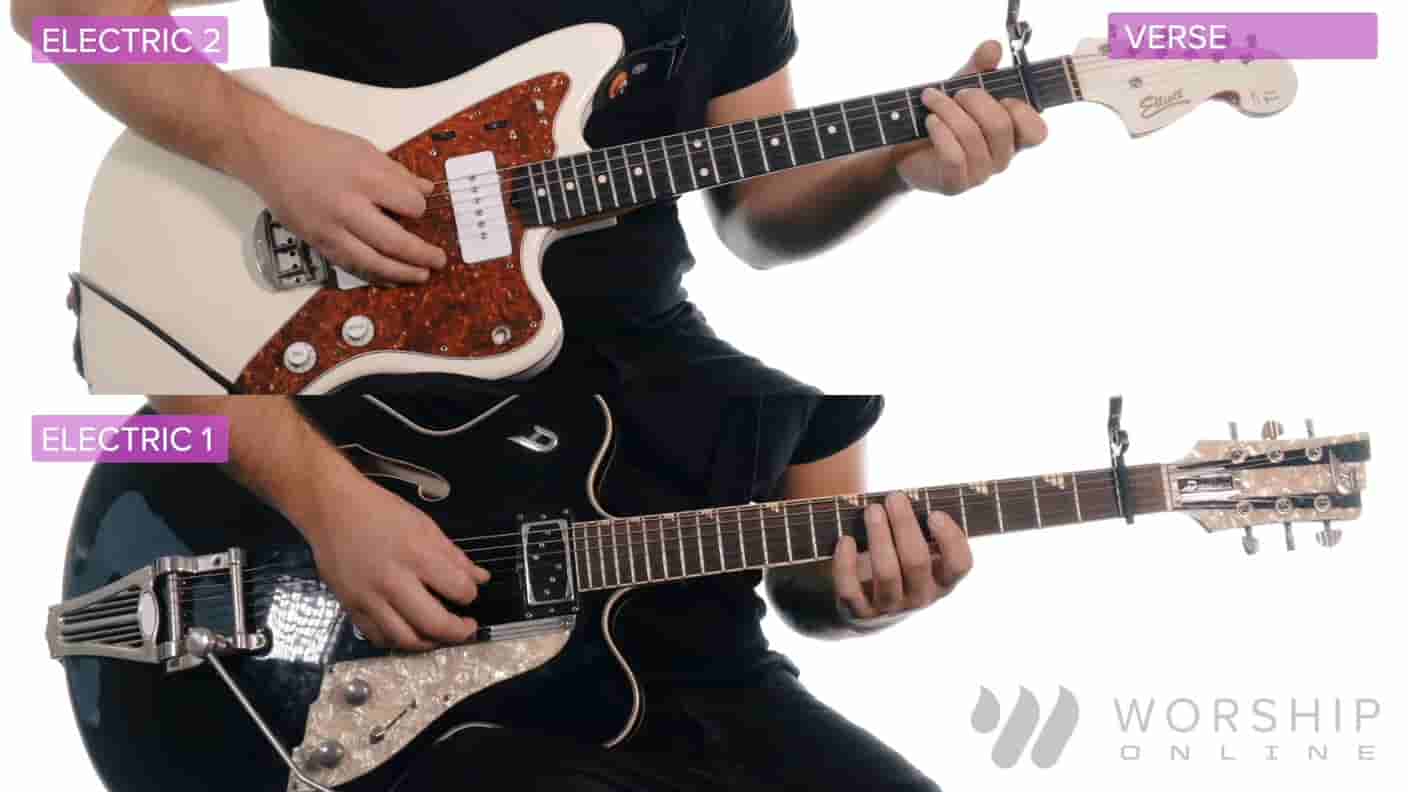
INTRO
VERSE 1
When the King speaks a word
It cannot be overturned
It’s as good as done
And when Heaven touches earth
It can never be reversed
It’s the Kingdom come
So get the liars out the way
They don’t have the final say
There is only One
Sovereign and Supreme
Every word He speaks
Is Holy
It cannot be overturned
It’s as good as done
And when Heaven touches earth
It can never be reversed
It’s the Kingdom come
So get the liars out the way
They don’t have the final say
There is only One
Sovereign and Supreme
Every word He speaks
Is Holy
CHORUS 1
The Lamb of God has overcome
My testimony is His blood
And if He said that it is done
it is done
My testimony is His blood
And if He said that it is done
it is done
INTERLUDE 1
So be it God
VERSE 2
To the One on the throne
Who can not be overthrown
Sing Hallelujah
To the Last and the First
Ruler of the universe
Sing Hallelujah
To the Alpha, Omega
The Master, the Maker
The Name a - bove
Every other name
Give Him all the praise
He’s ho - ly
Who can not be overthrown
Sing Hallelujah
To the Last and the First
Ruler of the universe
Sing Hallelujah
To the Alpha, Omega
The Master, the Maker
The Name a - bove
Every other name
Give Him all the praise
He’s ho - ly
CHORUS 1
The Lamb of God has overcome
My testimony is His blood
And if He said that it is done
it is done
So be it God
My testimony is His blood
And if He said that it is done
it is done
So be it God
CHORUS 2
The weapons of the enemy
They have no power over me
The One with all authority covers me
So be it God
They have no power over me
The One with all authority covers me
So be it God
TAG 1
So be it God
INTERLUDE 1
So be it God
BRIDGE 1
From a throne to a cross
Who would pay such a price
For the sin of the world
Here’s your King crucified
Who would pay such a price
For the sin of the world
Here’s your King crucified
BRIDGE 2
See the nails in His hands
See the wounds in His side
See the crown meant to mock
That instead prophesied
See the wounds in His side
See the crown meant to mock
That instead prophesied
BRIDGE 3
That it was not the end
Wipe the tears from your eyes
Don’t forget that He said
On the third He would rise
Wipe the tears from your eyes
Don’t forget that He said
On the third He would rise
BRIDGE 4
He’s alive He’s alive
He’s alive He’s alive
He’s alive He’s alive
He’s alive He’s alive
He’s alive He’s alive
He’s alive He’s alive
He’s alive He’s alive
CHORUS 1
The Lamb of God has overcome
My testimony is His blood
And if He said that it is done
it is done
So be it God
My testimony is His blood
And if He said that it is done
it is done
So be it God
CHORUS 2
The weapons of the enemy
They have no power over me
The One with all authority covers me
So be it God
They have no power over me
The One with all authority covers me
So be it God
TAG 2
So be it God
CHORUS 3 2X
It is final, It is written
It is settled, It is finished
See that old grave, He was in it
Now He isn’t, He is risen
It is settled, It is finished
See that old grave, He was in it
Now He isn’t, He is risen
CHORUS 4
Hallelujah Hallelujah
Hallelujah Hallelujah
Hallelujah Hallelujah
Hallelujah Hallelujah
Hallelujah Hallelujah
Hallelujah Hallelujah
Hallelujah Hallelujah
INSTRUMENTAL
INTERLUDE 1
INTERLUDE 2
BRIDGE 5
Like a thief in the night
He’ll return for His bride
Even so, Jesus come
Jesus come split the skies
He’ll return for His bride
Even so, Jesus come
Jesus come split the skies
ENDING
So be it God
SO BE IT - In the Bible [Verses & Devotional]
There’s something arresting about the opening line of this song: “When the King speaks a word, it cannot be overturned.” Right away you’re invited to stand under the authority of a voice that shapes reality. Scripture keeps saying the same thing—God’s word accomplishes what He intends. Isaiah 55:11 reminds us that God’s word “shall not return to me empty, but it shall accomplish that which I purpose.” Psalm 33:9 echoes it: “For he spoke, and it came to be; he commanded, and it stood firm.” Those biblical truths give weight to the song’s declaration that when Heaven touches earth it can never be reversed. This isn’t merely poetic language; it’s a theological anchor: the King’s decrees are effective, and His Kingdom coming is not a hopeful wish but a historical, cosmic reality (see also Matthew 6:10, “Your kingdom come, your will be done on earth as it is in heaven”).
The song’s insistence that “there is only One, Sovereign and Supreme” points your heart to passages that expose both God’s exclusivity and His authority. Daniel 4:35 pictures a sovereign Lord whose purposes stand forever, and Romans 14:11 together with Philippians 2:10–11 remind us that every knee will bow and every tongue confess that Christ is Lord. When the lyrics call us to “get the liars out the way,” that’s a vivid invitation to discern and silence the counterfeit voices—fear, shame, accusation—that would rival God’s verdict over our lives. Hebrews 12:2 and Romans 8:1 give us the practical comfort that the final say has been given: no condemnation remains for those who are in Christ.
When the chorus sings, “The Lamb of God has overcome / My testimony is His blood,” it’s pointing directly to the heart of the gospel. John 1:29 names Jesus as the Lamb who takes away sin; Revelation 5 and 1 Corinthians 5:7 portray the Lamb’s victory as cosmic and decisive. “My testimony is His blood” bridges personal story and redemptive history: our testimonies are shaped by what Christ has done—His blood speaks of cleansing (1 John 1:7), atonement (Romans 5:9), and reconciliation (2 Corinthians 5:18–19). Hebrews 9:12–14 explains how Christ’s once-for-all sacrifice secures our cleansing and access to God. So when the song affirms “if He said that it is done, it is done,” it sings us back to John 19:30—“It is finished”—and to the theological assurance that the decisive work of salvation is accomplished and effective.
The song’s confidence in spiritual victory—“The weapons of the enemy, they have no power over me / The One with all authority covers me”—isn’t triumphalism without foundation; Scripture gives us concrete reasons to stand. Isaiah 54:17 declares that no weapon formed against God’s people will prosper. Luke 10:19 is Jesus’ promise that He has given us authority over the power of the enemy. And yet the Bible balances this confidence with discipline: Ephesians 6:10–18 teaches us to put on the whole armor of God, to stand in truth and righteousness, to pray in the Spirit. The song fits cleanly here: our freedom from the enemy’s ultimate power is guaranteed by Christ’s victory, and our day-to-day posture is one of dependence on that defense.
The theological arc formed by the bridges—“From a throne to a cross / Who would pay such a price for the sin of the world / Here’s your King crucified”—pulls together the scandal and glory of the gospel captured in Philippians 2:6–11 and Isaiah 53. The King who is sovereign voluntarily stoops to suffer; the humiliation of the cross is the way of our redemption. Seeing “the nails in His hands” and “the wounds in His side” invites us into Gospel narrative—John 19 and the prophetic sorrows of Psalm 22—and into the paradox that the crown meant to mock becomes the sign of Christ’s true kingship. Then the song pushes us to the resurrection and the third day: “Don’t forget that He said / On the third He would rise.” That resurrection is non-negotiable for Christian hope; 1 Corinthians 15 and Luke 24 ground our faith in the reality that the grave did not have the last word. The refrain “He’s alive” is the heartbeat of the Christian confession—Christ is not a distant, defeated deity but the living Lord who continues to rule.
When the lyrics declare, “It is final, it is written / It is settled, it is finished,” they invite us to rest in the settled verdict of God. Hebrews 10:12–14 speaks to the finality of Christ’s sacrifice, and Ephesians 1:13–14 presents the Spirit as the seal guaranteeing our inheritance—what God has written is enduring. The song’s eschatological pull—“Like a thief in the night / He’ll return for His bride / Even so, Jesus come”—takes us to Revelation and to the New Testament longing for the Bridegroom’s return (1 Thessalonians 4:16–17; Revelation 19–22). That longing isn’t escapism; it’s the steadying perspective that shapes how we live now. If the story is already moving toward consummation, then our present struggles are viewed through the lens of resurrection, victory, and final justice.
What’s beautiful about linking this song to Scripture is how it moves us from lyrical declarations to practical devotion. The song is a liturgy that trains the heart to trust God’s word, to remember the cross and the empty tomb, and to resist the enemy by reciting gospel realities. It invites worship that is both retrospective (what Christ has done) and prospective (what Christ will complete). It encourages confession—“My testimony is His blood”—and proclamation—“So be it, God.” When we sing these truths, we rehearse them into our bones so that in moments of doubt, fear, temptation, or grief, our tongues can call back the higher truth.
So before you close this and go on with your day, take a moment to let the song’s declarations become questions for your heart: If God’s word is truly unstoppable, and if Jesus has already accomplished the decisive work at the cross and risen in victory, how would your daily choices, your speech, your prayers, and your relationships change if you lived as though “it is done” were the first and final reality shaping every decision?