

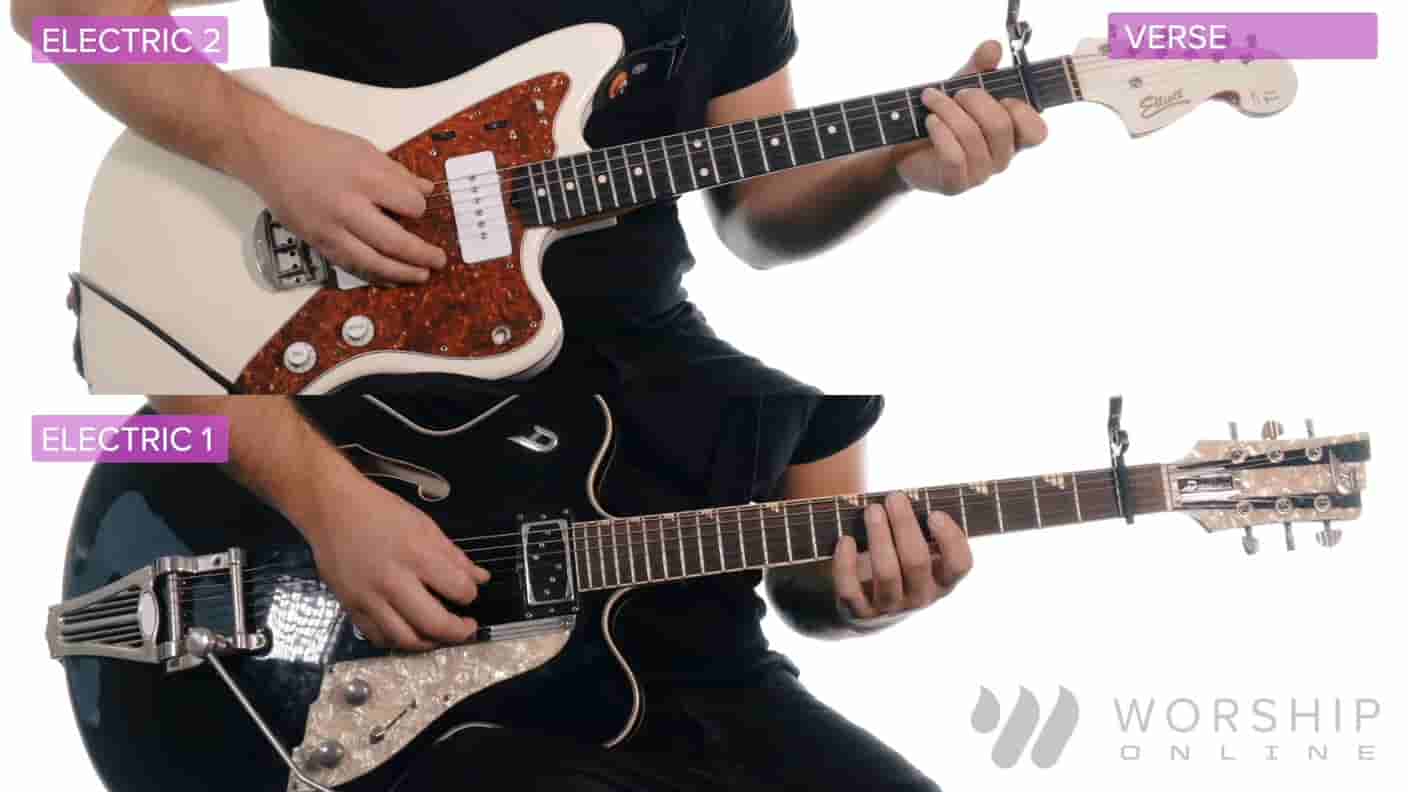
INTRO
VERSE 1
Lord of the heavens,
hope of the nations
That is who You are
Lord of the ages, faithful forever
This is who You are
hope of the nations
That is who You are
Lord of the ages, faithful forever
This is who You are
VERSE 2
Lord of our healing,
light in the darkness
That is who You are
Lord of forgiveness,
friend of the sinner
This is who You are
light in the darkness
That is who You are
Lord of forgiveness,
friend of the sinner
This is who You are
PRE-CHORUS
You are perfect in all Your ways
And my soul will sing Your praise
And my soul will sing Your praise
CHORUS
Je - sus
Je - sus
Behold the Lamb of God
Who takes away the sin
Of the world
Je - sus
Behold the Lamb of God
Who takes away the sin
Of the world
TURNAROUND
VERSE 3
Born as a Saviour, wonder of Heaven
The Father’s joy
King of all glory led to the altar
The Son of God
The Father’s joy
King of all glory led to the altar
The Son of God
TAG 1
The Son of God
CHORUS
Je - sus
Je - sus
Behold the Lamb of God
Who takes away the sin
Of the world
Je - sus
Behold the Lamb of God
Who takes away the sin
Of the world
BRIDGE 1 2X
There is no one, there is no one
There is no one greater than You
There is no one greater than You
BRIDGE 2 2X
There is no one, there is no one
There is no one greater than You
There is no one greater than You
BRIDGE 3
He is Jesus, our Redeemer
There is no one greater than You
He is Jesus, our Redeemer
There is no one greater than You
There is no one greater than You
He is Jesus, our Redeemer
There is no one greater than You
CHORUS 2X
Je - sus
Je - sus
Behold the Lamb of God
Who takes away the sin
Of the world
Je - sus
Behold the Lamb of God
Who takes away the sin
Of the world
TAG 2 2X
Behold the Lamb of God
Who takes away the sin
Of the world
Who takes away the sin
Of the world
Behold The Lamb Of God - In the Bible [Verses & Devotional]
When Hillsong sings "Behold the Lamb of God who takes away the sin of the world," it’s more than a poetic line — it’s an invitation to look, to remember, and to respond. That phrase lands you squarely in John 1:29, where John the Baptist sees Jesus and declares him the Lamb of God, and again in John 1:36 where he points others to Jesus with the same exclamation. Those few words also echo through the whole Bible: Isaiah 53 pictures the Suffering Servant who bears our griefs and sins; Exodus 12 and the Passover lamb lay the sacrificial shadow; Hebrews 10:10–14 explains how Christ's one offering sanctifies us once for all; and Revelation 5 and 7 present the Lamb as worthy — the One who was slain and yet reigns. So the chorus of the song is rooted deeply in Scripture: a call to behold a Savior who both suffers for us and reigns for us.
Listen to the verses of the song and you’ll hear other Scriptural refrains threaded through the phrases. "Lord of the heavens, hope of the nations" points us to the cosmic lordship of Christ in Colossians 1:15–17 and to the prophetic hope for the nations in Isaiah 49 and its New Testament echo in Romans 15 — the Messiah is not just Israel’s rescue but the world's hope. "Lord of the ages, faithful forever" brings to mind Hebrews 13:8 — Jesus is the same yesterday, today, and forever — and Revelation 1:8 where God proclaims himself the Alpha and Omega, the One who is and was and is to come. When the song calls him "Lord of our healing, light in the darkness," Scripture answers with Isaiah 53:5 ("by his wounds we are healed"), Psalm 107:20 (God sent his word and healed them), and Jesus’ own words in John 8:12, "I am the light of the world." "Lord of forgiveness, friend of the sinner" connects us to Luke’s portrait of Jesus eating with tax collectors and sinners (Luke 7:36–50; Matthew 11:19) and to Luke 19:10 — that the Son of Man came to seek and save the lost. These lines aren’t sentimental extras; they are shorthand for whole theological truths the Bible teaches about who Jesus is and what he has done.
The song’s pre-chorus — "You are perfect in all Your ways / And my soul will sing Your praise" — echoes the Psalms’ honest worship (for example, Psalm 18:30: “As for God, his way is perfect”) and models a natural response to God’s character: awe, trust, and song. In a fallen world where things feel broken, we are reminded to anchor ourselves in the One whose ways are without defect. The line "Born as a Saviour, wonder of Heaven / The Father's joy" points back to Luke 2:11 — born a Savior — and to the intimate delight of the Father in the Son (see John 17, Psalm 2, or the heavenly voice at Jesus' baptism). "King of all glory led to the altar" is a beautiful, paradoxical image. It compresses Philippians 2:6–11 — the king who emptied himself — with the altar-sacrifice language of Hebrews 9–10: the King who approaches the cross and becomes the sacrificial offering. The Son of God who is enthroned is also the Son who went to the cross; the song unites lordship and sacrifice in one breath.
That union — Jesus as both Lamb and Lord — is the theological heartbeat of both song and Scripture. To call Jesus "Lamb of God" is to name his work: substitution, atonement, forgiveness, healing. To call him "Lord of the heavens" is to name his person and rule: authority, sovereignty, worthiness of worship. The Bible holds those together constantly. Consider 1 Peter 2:24 ("He himself bore our sins in his body on the tree"), Hebrews 9:12–14 (he entered the holy place once for all, with his own blood), and Colossians 1:19–22 (in Christ all things are reconciled to God). At the same time, Romans 14:9 and Philippians 2:9–11 point to the exaltation and ongoing lordship of that same Christ. The implication is practical and pastoral: because the Lamb took away our sin, we can be forgiven, healed, and reconciled; because the Lord reigns, we are called to worship, obedience, and trust. The song draws you into both the mercy that saves and the majesty that shapes.
There’s also a pastoral tenderness in the lyric "friend of the sinner." Scripture shows Jesus eating with sinners, offering forgiveness, listening, and restoring dignity (Luke 7; Luke 19:1–10). This isn’t a license to stay as we are, but it is an invitation to come as we are to One who receives the broken and makes them whole. And the refrain "There is no one greater than You" nudges us toward awe and allegiance: Scripture asks us again and again who deserves our ultimate trust (see Isaiah 40; Colossians 1): nothing compares to him. The song helps us hold these tensions: we are loved and forgiven; we are called to respond and to live differently because of what the Lamb has done and the Lord now requires.
Singing this song or reading these words should do two things: humble and empower us. Humble, because the cross shows the cost of our redemption and reveals how deeply we needed rescue. Empower, because the resurrected, reigning Christ now gives us strength to live in light of his victory (Romans 6; Ephesians 2). The theological scaffolding behind the lyrics is not merely academic — it becomes the soil in which daily discipleship grows: forgiveness that becomes extending grace to others, healing that leads us to care for the broken, and lordship that shapes choices about work, family, and justice.
So as you close your eyes and sing "Behold the Lamb of God," let Scripture be your guide to what you’re beholding: see the Passover and the prophecy, the suffering and the throne; see the one who bled and the one who rules; see the friend who welcomes sinners and the King who commands the nations. Let that vision move your heart to worship, reshape your habits, and steady your hope.
Here’s a question to carry with you this week: if you truly believe that the same Jesus before whom you bow as Lord is also the Lamb who took away your sin, what is one thing you need to stop holding back from him — and one way you need to step forward in trust and obedience — so that your life more clearly reflects both his mercy and his rule?