

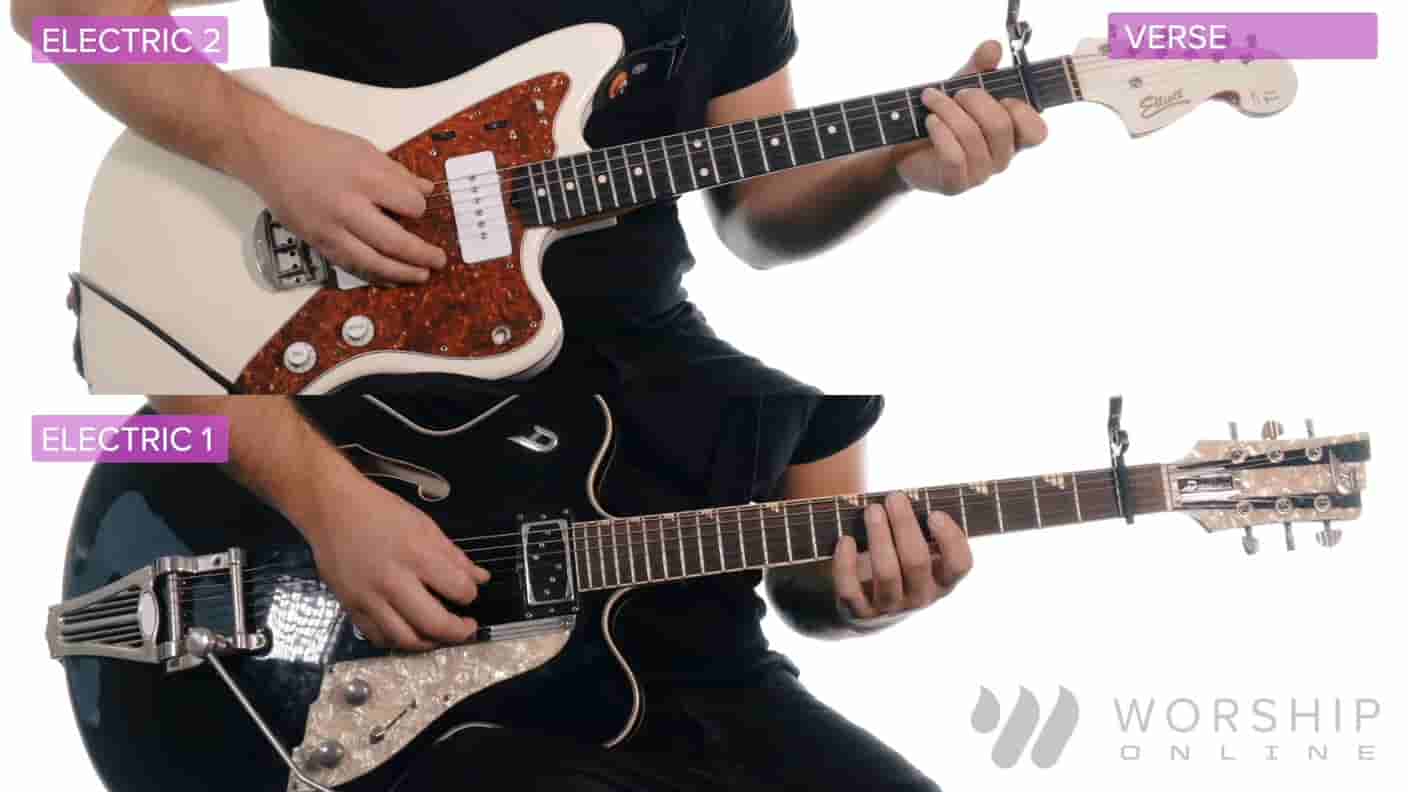
INTRO
VERSE 1
You Lord, You are worthy
And no one can worship
You for me
For all the things
You've done for me
And no one can worship You for me
And no one can worship
You for me
For all the things
You've done for me
And no one can worship You for me
CHORUS 1
Here's my wor - ship
All of my wor - ship
Receive my wor - ship
All of my wor - ship
Here's my wor - ship
All of my wor - ship
Receive my wor - ship
All of my wor - ship
All of my wor - ship
Receive my wor - ship
All of my wor - ship
Here's my wor - ship
All of my wor - ship
Receive my wor - ship
All of my wor - ship
VERSE 2
You Lord, You are worthy
And no one can worship
You for me
For all the things You've done for me
And no one can worship You for me
And no one can worship
You for me
For all the things You've done for me
And no one can worship You for me
CHORUS 2
Here's my wor - ship
All of my wor - ship
Receive my wor - ship
All of my wor - ship
Here's my wor - ship
All of my wor - ship
Receive my wor - ship
All of my wor - ship
All of my wor - ship
Receive my wor - ship
All of my wor - ship
Here's my wor - ship
All of my wor - ship
Receive my wor - ship
All of my wor - ship
CHORUS 3
Here's my wor - ship
All of my wor - ship
Receive my wor - ship
All of my wor - ship
Here's my wor - ship
All of my wor - ship
Receive my wor - ship
All of my wor - ship
All of my wor - ship
Receive my wor - ship
All of my wor - ship
Here's my wor - ship
All of my wor - ship
Receive my wor - ship
All of my wor - ship
BRIDGE 1
And I will not be silent,
I will always worship You
As long as I am breathing,
I will always worship You
I will always worship You
As long as I am breathing,
I will always worship You
BRIDGE 2
And I will not be silent,
I will always worship You
As long as I am breathing,
I will always worship You
I will always worship You
As long as I am breathing,
I will always worship You
BRIDGE 3
And I will not be silent
I will always worship You
As long as I am breathing
I will always worship You
I will always worship You
As long as I am breathing
I will always worship You
CHORUS 4
Here's my wor - ship
All of my wor - ship
Receive my wor - ship
All of my wor - ship
Here's my wor - ship
All of my wor - ship
Receive my wor - ship,
All of my wor - ship
All of my wor - ship
Receive my wor - ship
All of my wor - ship
Here's my wor - ship
All of my wor - ship
Receive my wor - ship,
All of my wor - ship
OUTRO
You Lord, You are worthy
My Worship - In the Bible [Verses & Devotional]
Listen to the simplicity of this song for a moment: “You Lord, You are worthy… and no one can worship You for me.” It’s plainspoken and reverent, and it lands on a truth the Bible keeps returning us to—that worship is both a recognition of God’s worth and a personal response that no one else can give for us. When Phil Thompson sings “Here’s my worship… receive my worship,” I hear the same invitation Paul gives in Romans 12:1: “present your bodies as a living sacrifice, holy and acceptable to God, which is your spiritual worship.” Worship is not just a Sunday song or a well-phrased prayer; it is the offering of ourselves—our lives, our breath, our choices—to the One who alone is worthy (Revelation 4:11; Revelation 5:12).
The song’s insistence that “no one can worship You for me” ties to the biblical picture of personal responsibility in relationship with God. Scripture calls every heart to choose and to declare (Joshua 24:15), and reminds us that “each of us will give an account” (Romans 14:12). Worship can be communal—Psalm 95 urges us to “come, let us worship and bow down”—but it is ultimately lived out in individual fidelity. Jesus’ words to the Samaritan woman also help frame this: true worshippers will worship the Father “in spirit and truth” (John 4:23–24). That phrase calls us beyond mere form or habit into authentic, honest devotion that originates in the heart.
There’s also a bold persistence in the bridge—“And I will not be silent, I will always worship You; as long as I am breathing, I will always worship You.” That echoes the Psalms’ life-long praise: “I will bless the LORD at all times; his praise shall continually be in my mouth” (Psalm 34:1) and “Let everything that has breath praise the LORD!” (Psalm 150:6). To sing—or to live—this way is to let worship be more than a ritual: it becomes the rhythm of existence. Hebrews 13:15 names praise as a “sacrifice of praise” that continually acknowledges God’s work in our lives; Psalm 63 models the thirsty, clinging devotion that leads someone to praise God all day and to “pluck up” hands in joy. The song’s repetition of offering—over and over, “Here’s my worship”—feels like a practice of returning: offering again, even when our words are small or our circumstances complex.
“Receive my worship” is both humble and expectant. It’s humble because we acknowledge that any praise we give is owed to a God who is intrinsically worthy, and it’s expectant because we trust that God engages with the hearts that genuinely offer themselves. Scripture affirms God’s worthiness (Revelation 4:11) and also his delight in relationship—He formed us “for himself, that we might declare his praise” (Isaiah 43:21). Worship, then, is the reciprocal movement: we recognize God’s worth and give back our lives as a response he honors. That plays into Matthew 22:37—loving God with all your heart, soul, and mind—because worship is the practical outworking of that total love.
There’s another helpful tension the song surfaces: worship as both outward act and inner posture. The repeated lines and the insistence on not being silent point to visible, audible praise; but the declaration that “no one can worship You for me” reminds us that the deepest element of worship is internal—motivation, devotion, truth. John 4’s emphasis on “in spirit and truth” guards us against thinking that any outward ritual can stand in for a surrendered heart, while Romans 12 teaches that our whole lives—decision-making, work, relationships—are also acceptable worship when offered to God.
So what does that mean practically? It means the worship Phil sings about isn’t confined to a song leader’s time or a church building’s walls. It’s our commute, our conversations, our rest, our labor—every place where we choose to give glory rather than grumble. It means choosing, day after day, to speak praise, to refuse silence when gratitude is due, and to remember that the offering God wants most isn’t a performance but a surrendered life. It means acknowledging that while others can pray with you, sing with you, and stand with you, the single most important worship you can give is yours alone—authentic, ongoing, and personal.
If you let the song’s refrain tug at your spirit, let it ask something of you: what would change in your everyday life if every breath—every decision, complaint, joy, and fear—were offered as worship to God?